Your Chimney Looks Fine Until a Camera Says Otherwise
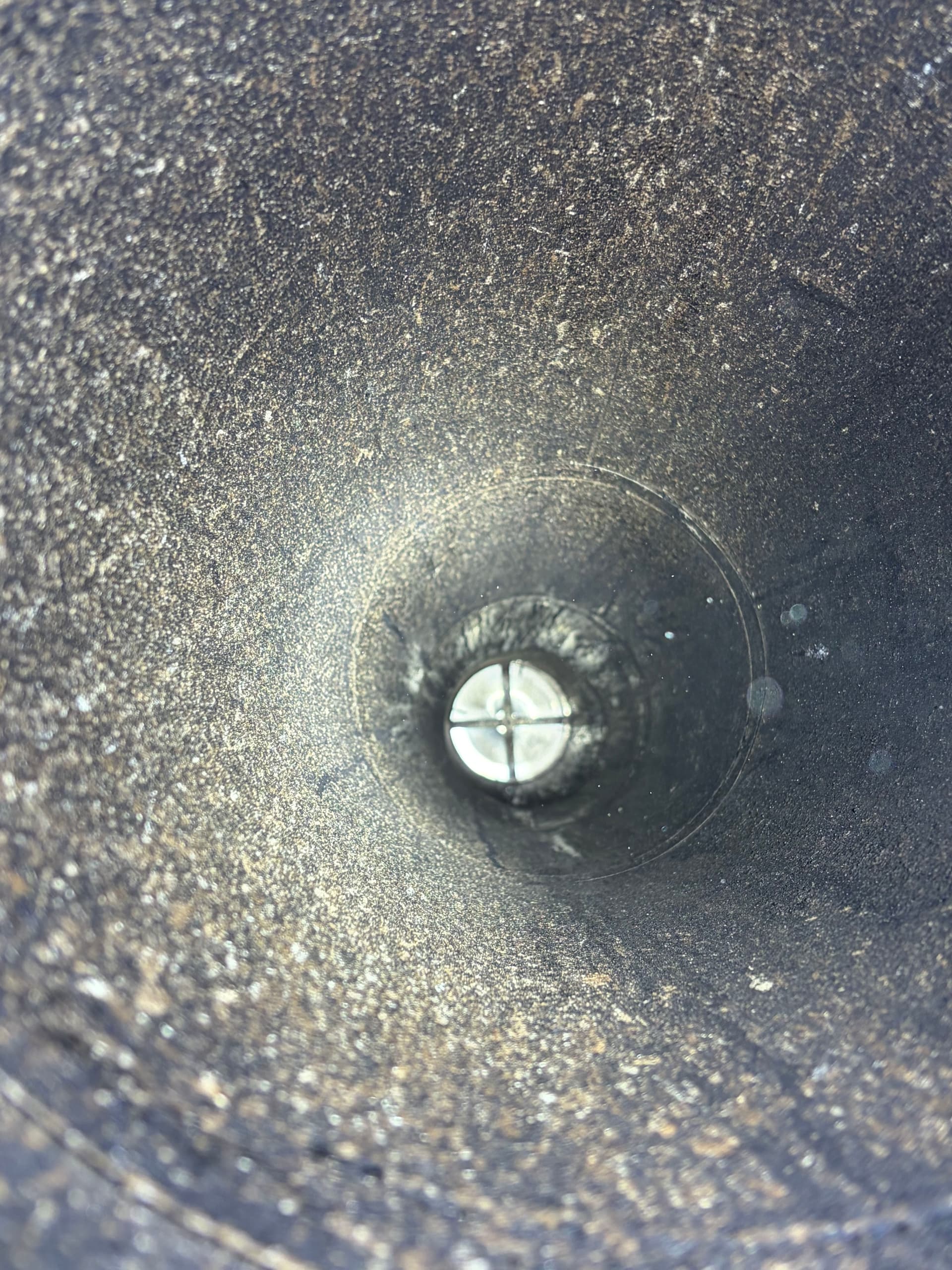
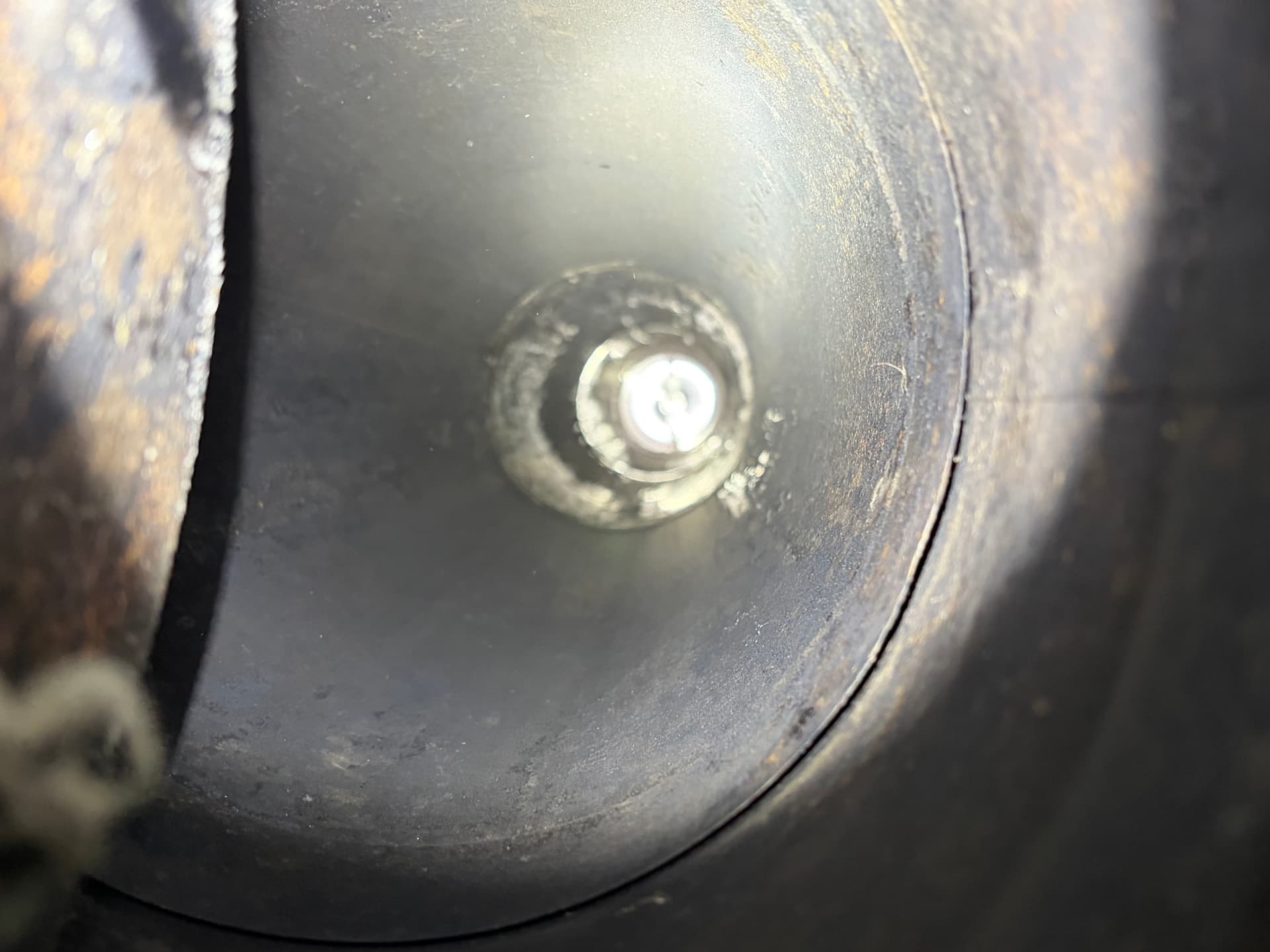
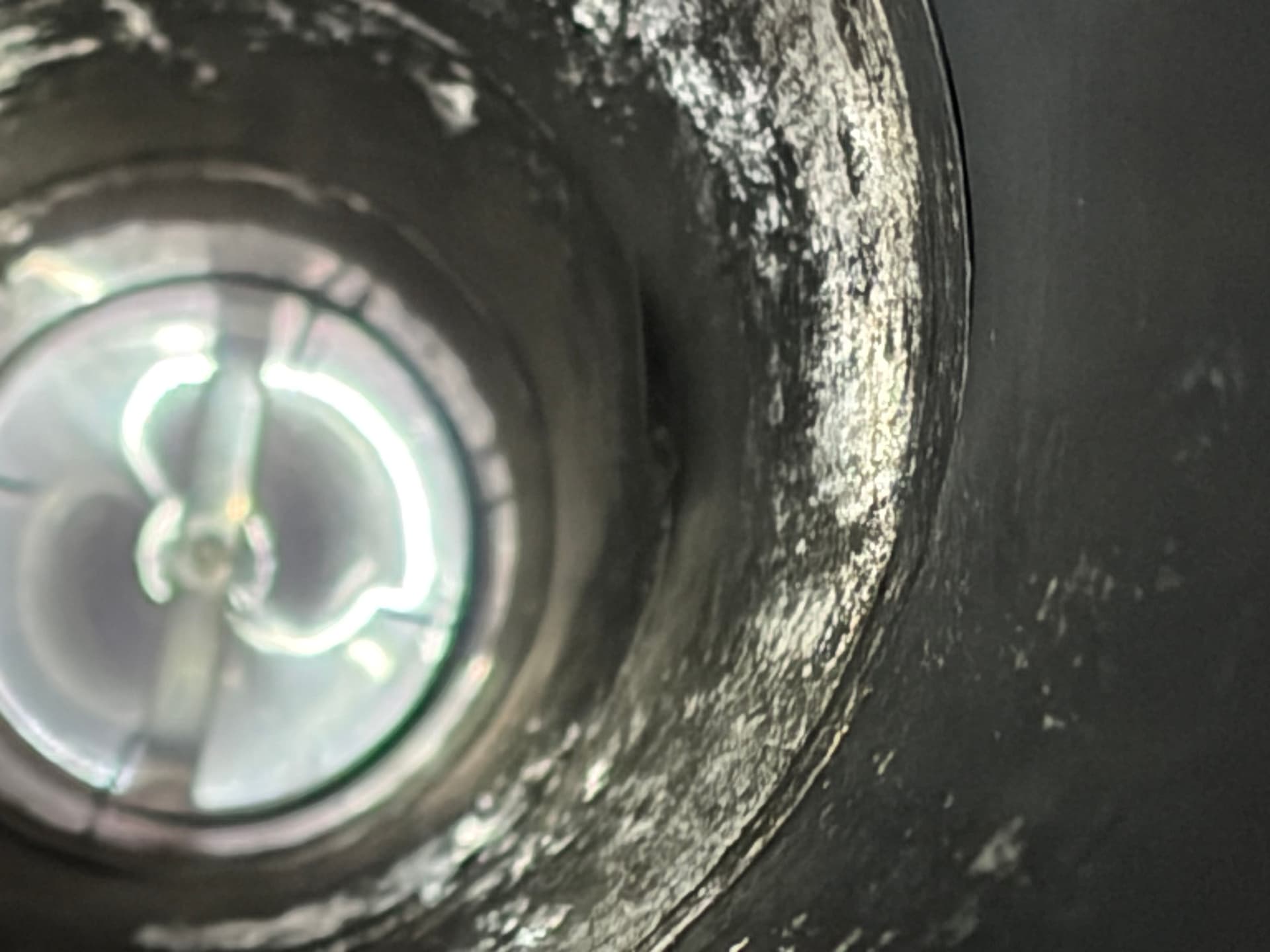
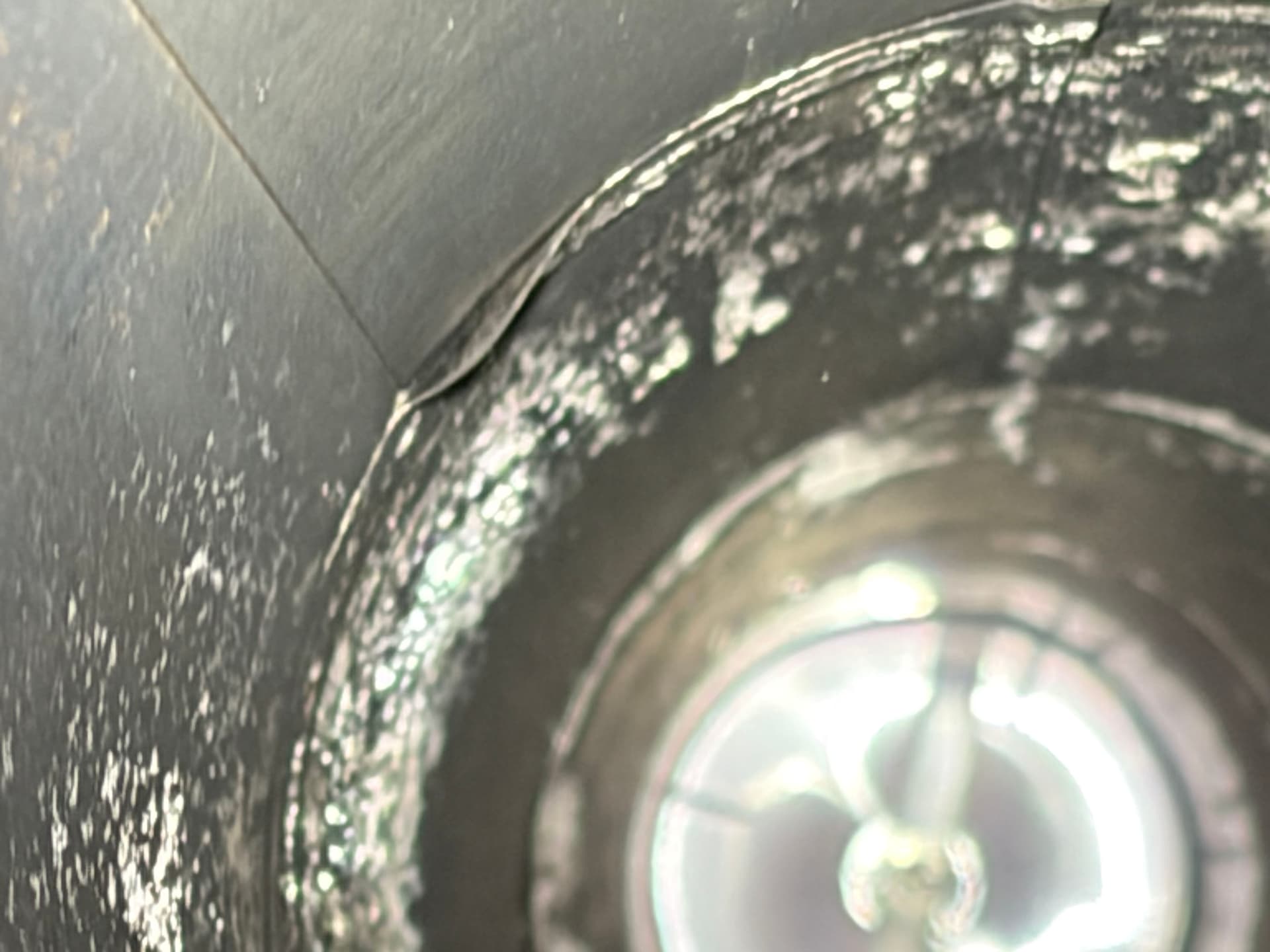
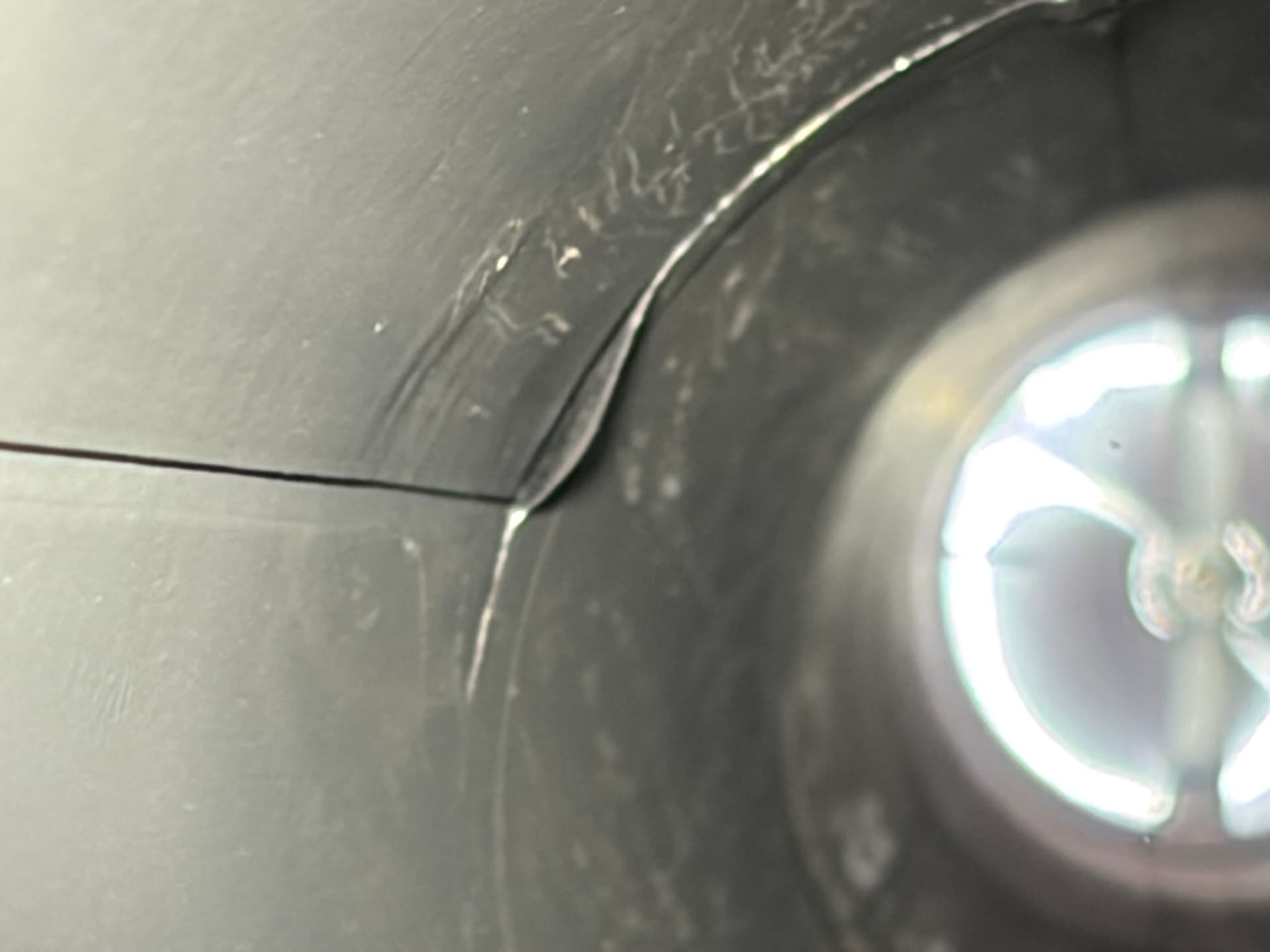
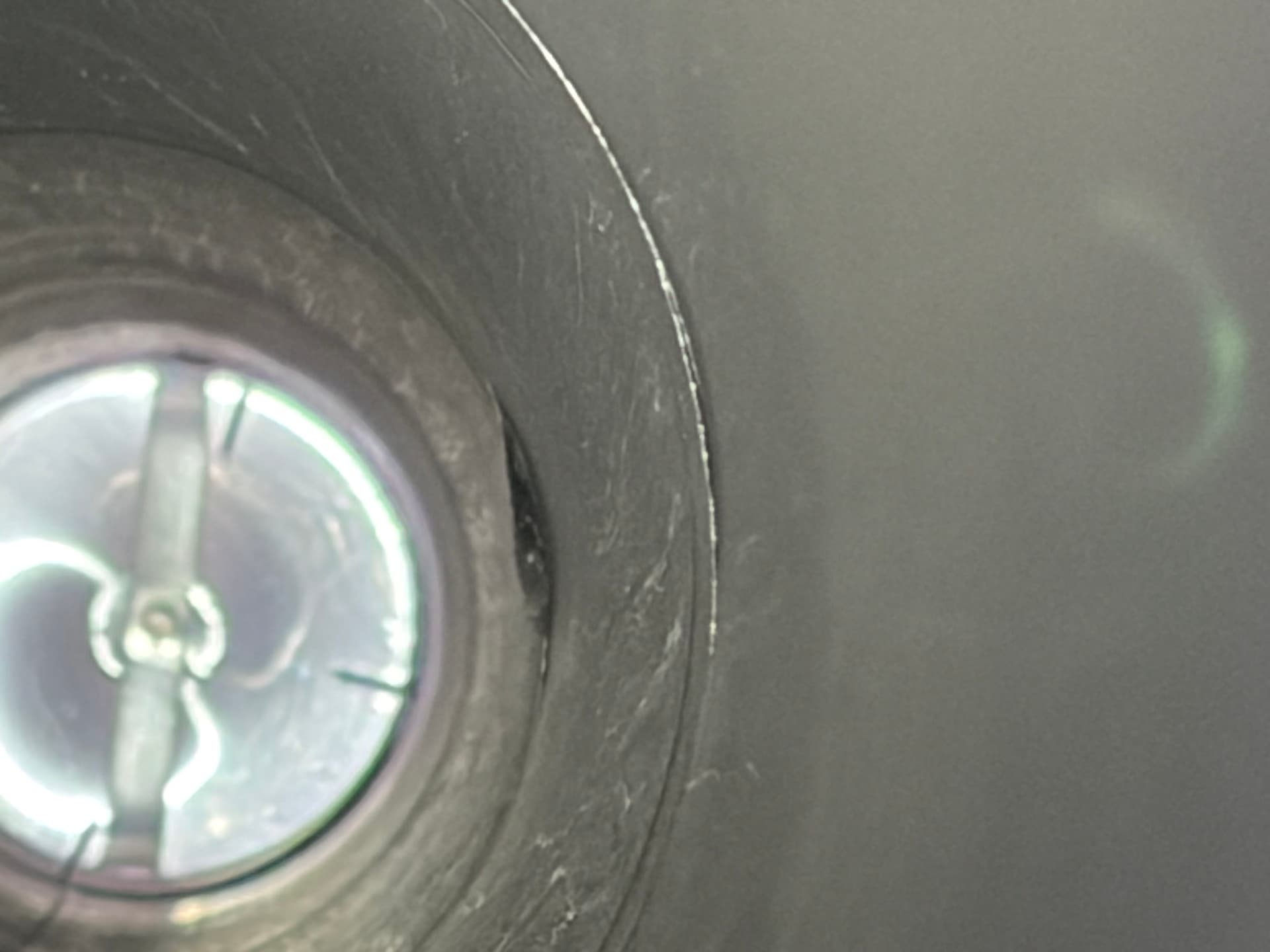
A clean-looking chimney can hide a lot. That's honestly one of the more frustrating parts of this work - homeowners assume that because their fireplace seems to be functioning, everything must be okay inside. But the flue liner tells a completely different story sometimes.
When we run a camera inspection after a sweep, we're looking at the full interior of the flue up close. What we find isn't always dramatic cracks or obvious breaks. A lot of the time it's voids, separations, and gaps between liner sections - the kind of damage that's easy to miss without the right equipment but genuinely dangerous to ignore. Hot gases, carbon monoxide, and even sparks can escape through those openings and get into areas of your home they should never reach.
This kind of damage usually comes from two things - age and high-heat events. Chimneys expand and contract with every use. Over years and years of that thermal stress, liners can shift, separate, and develop weak points. A chimney fire, even a small one you might not have noticed, can accelerate that process significantly.
Here's the thing about a proper chimney inspection: it's not just about cleaning out creosote and calling it done. The sweep matters, but the camera inspection is what gives you the full picture. Without it, you're essentially flying blind. We document everything we find so homeowners can actually see what we're dealing with and make informed decisions about next steps.
If it's been more than a year since your chimney was inspected - or if you honestly can't remember the last time it was done - that's worth paying attention to. Flue liner issues don't fix themselves, and they don't get easier to address the longer they go unnoticed.