Wood Stove Chimney Relining with New Stove Pipe and Fresh Repaint
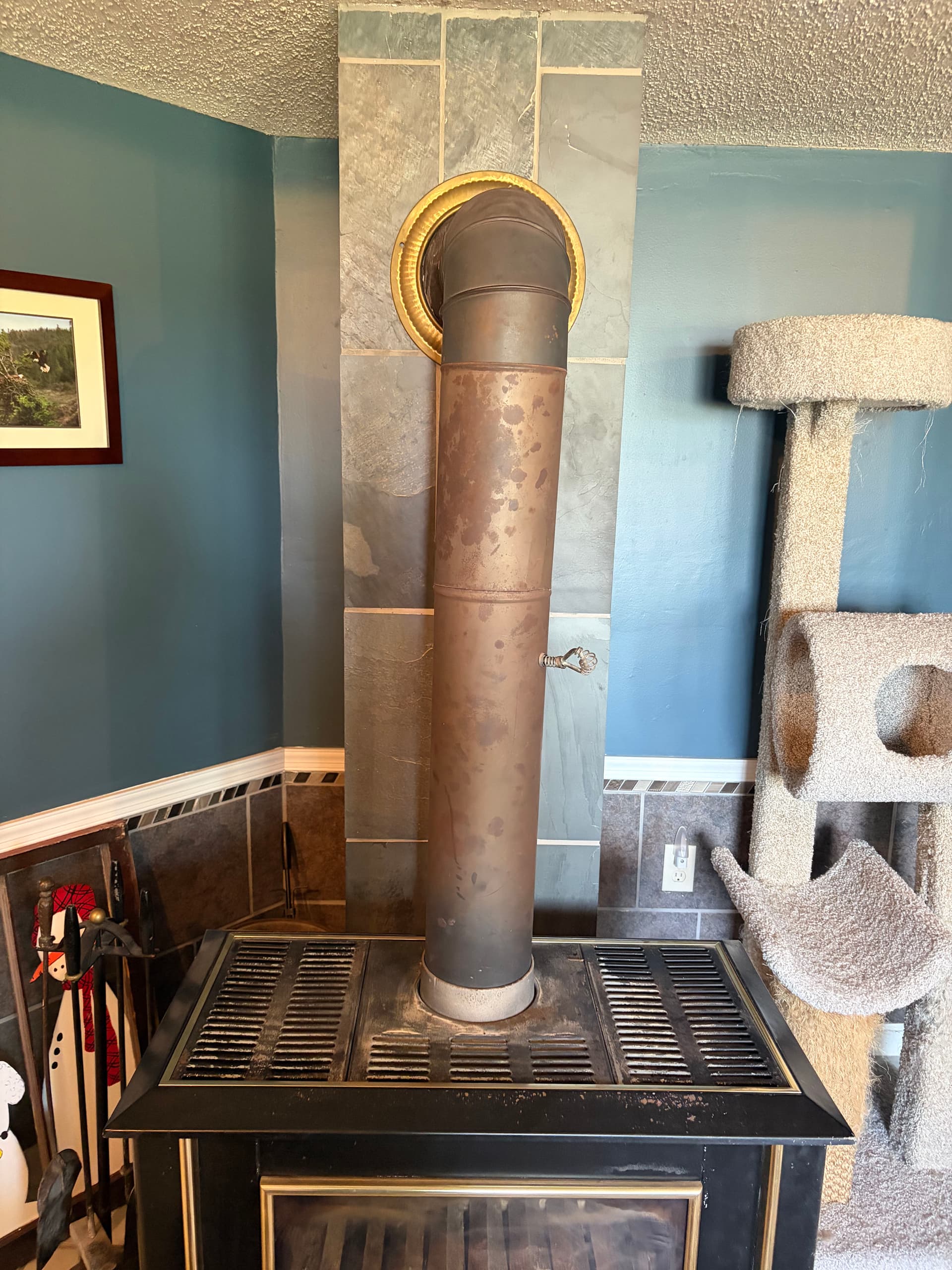
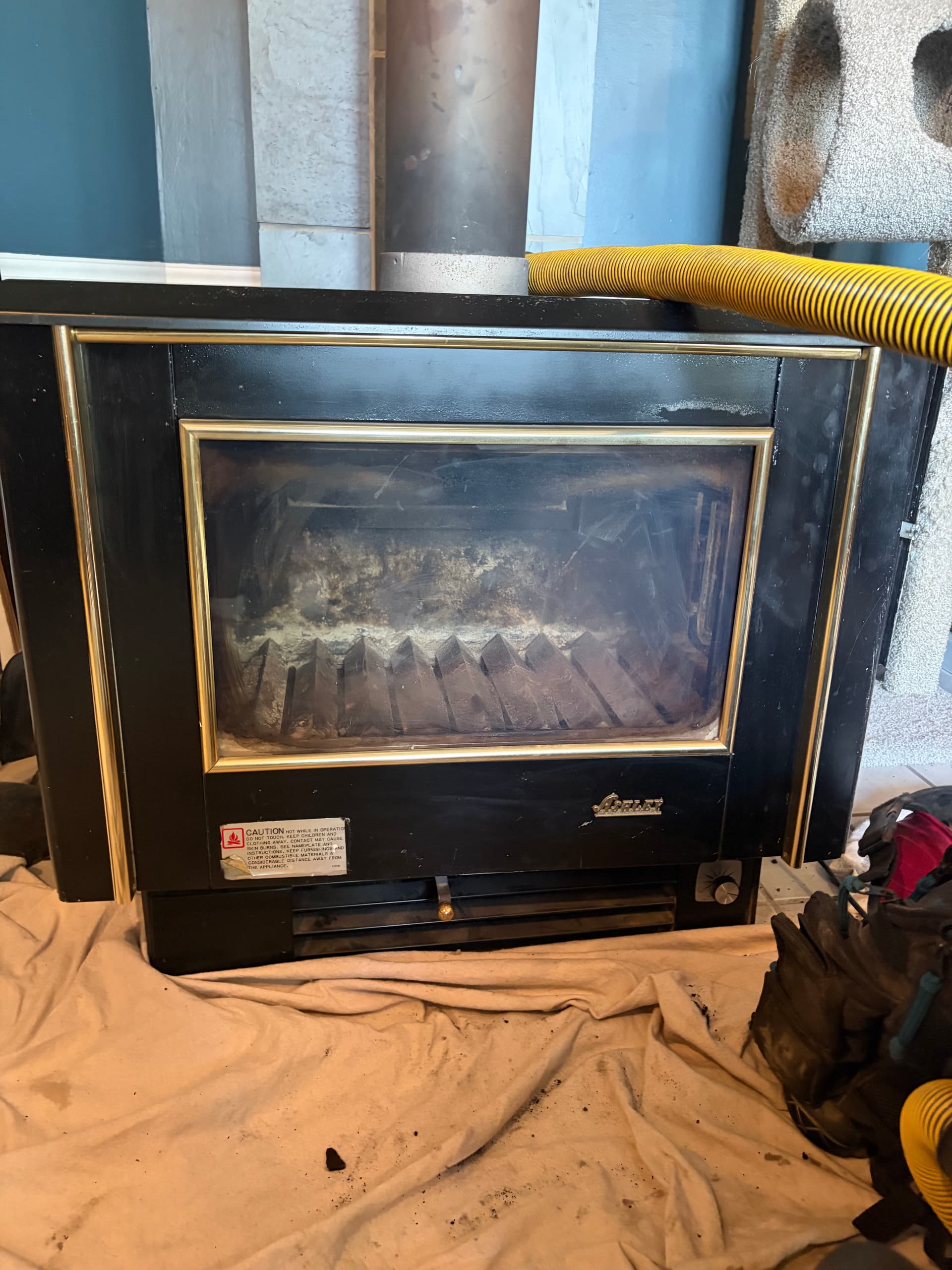
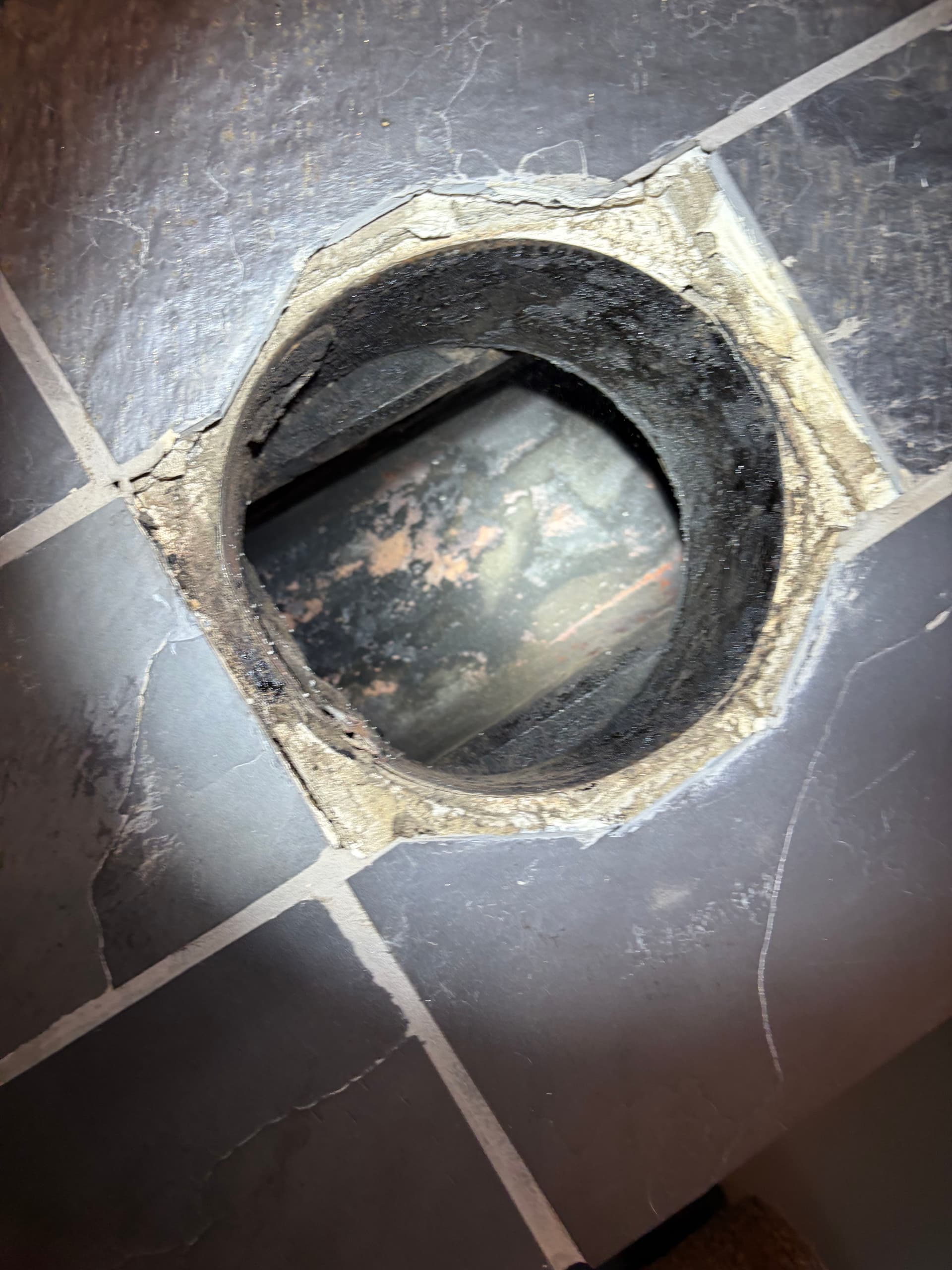
This one had a familiar problem. The stove was venting into an old, unsealed clay liner - the kind of setup that looks fine from the outside but creates real safety and performance issues over time. Cracked or unlined clay flues can let combustion gases seep into areas they shouldn't, and they do nothing to protect against creosote buildup the way a properly fitted liner does. It had to go.
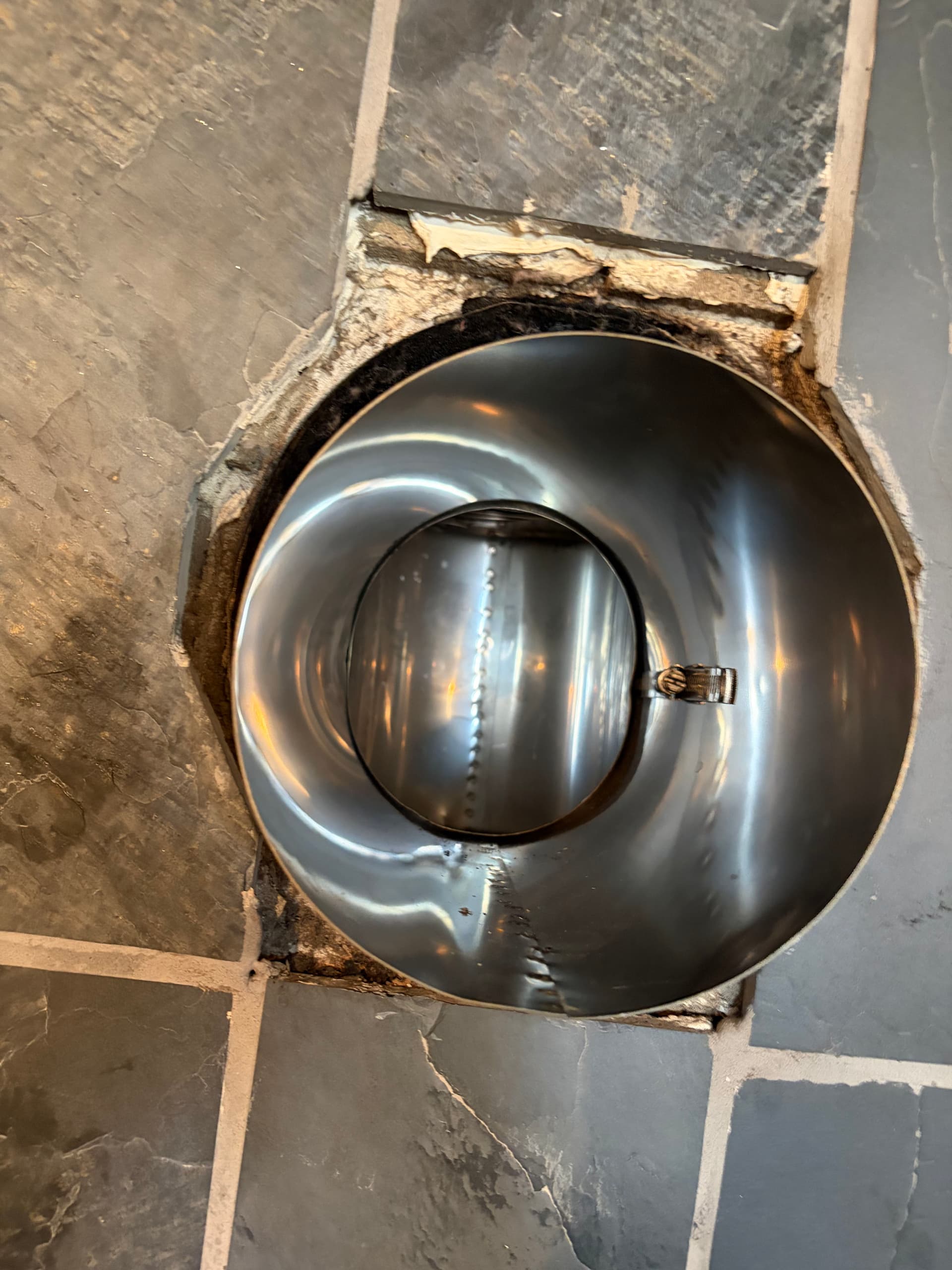
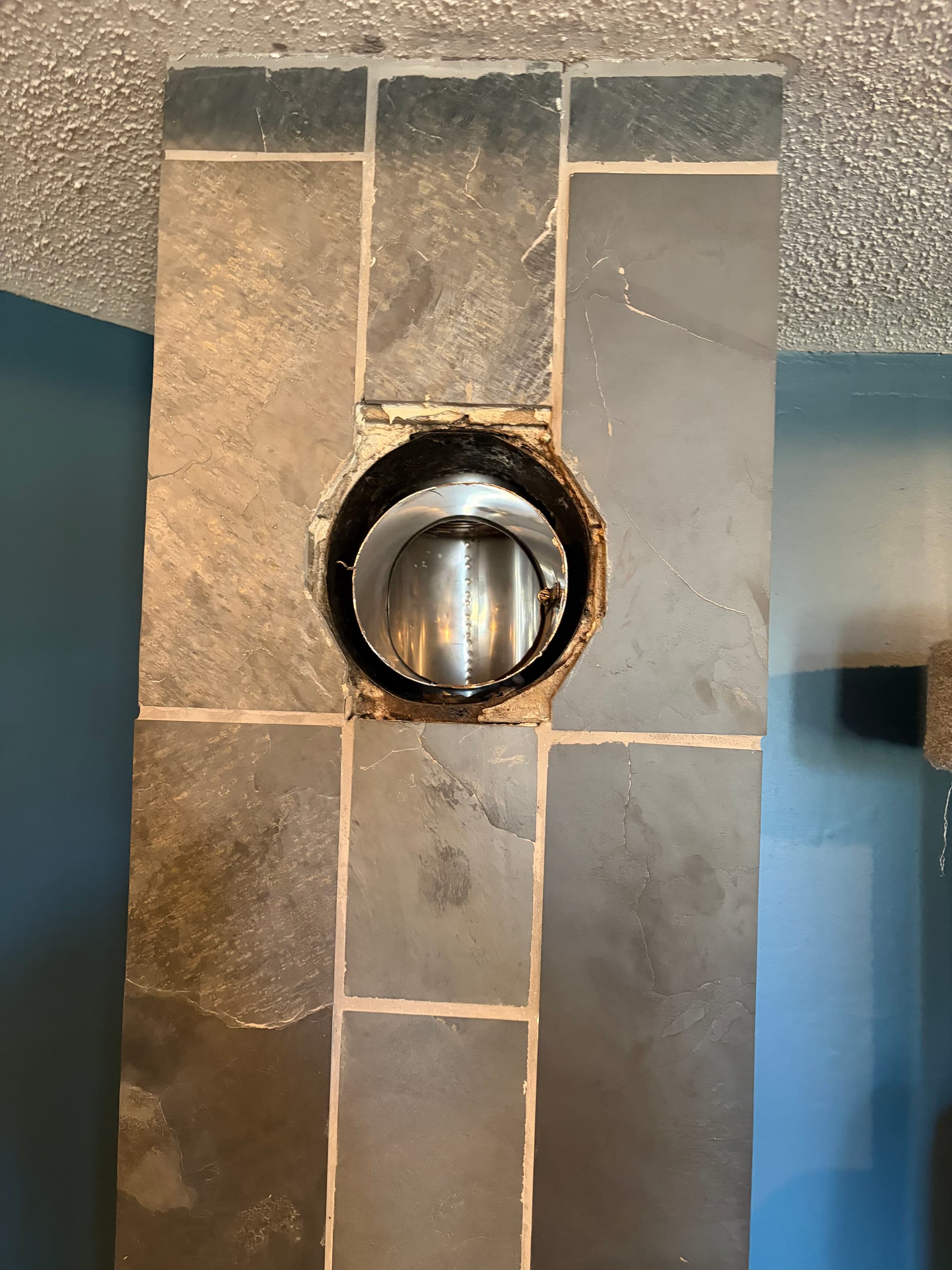
Here's what we were working with before we started - a worn stove pipe with visible heat staining and surface rust, and a flue opening that had seen better days. The clay liner inside the chimney wasn't sealed, meaning exhaust gases had no clean, contained path out of the house. That's not a situation you want to leave alone.
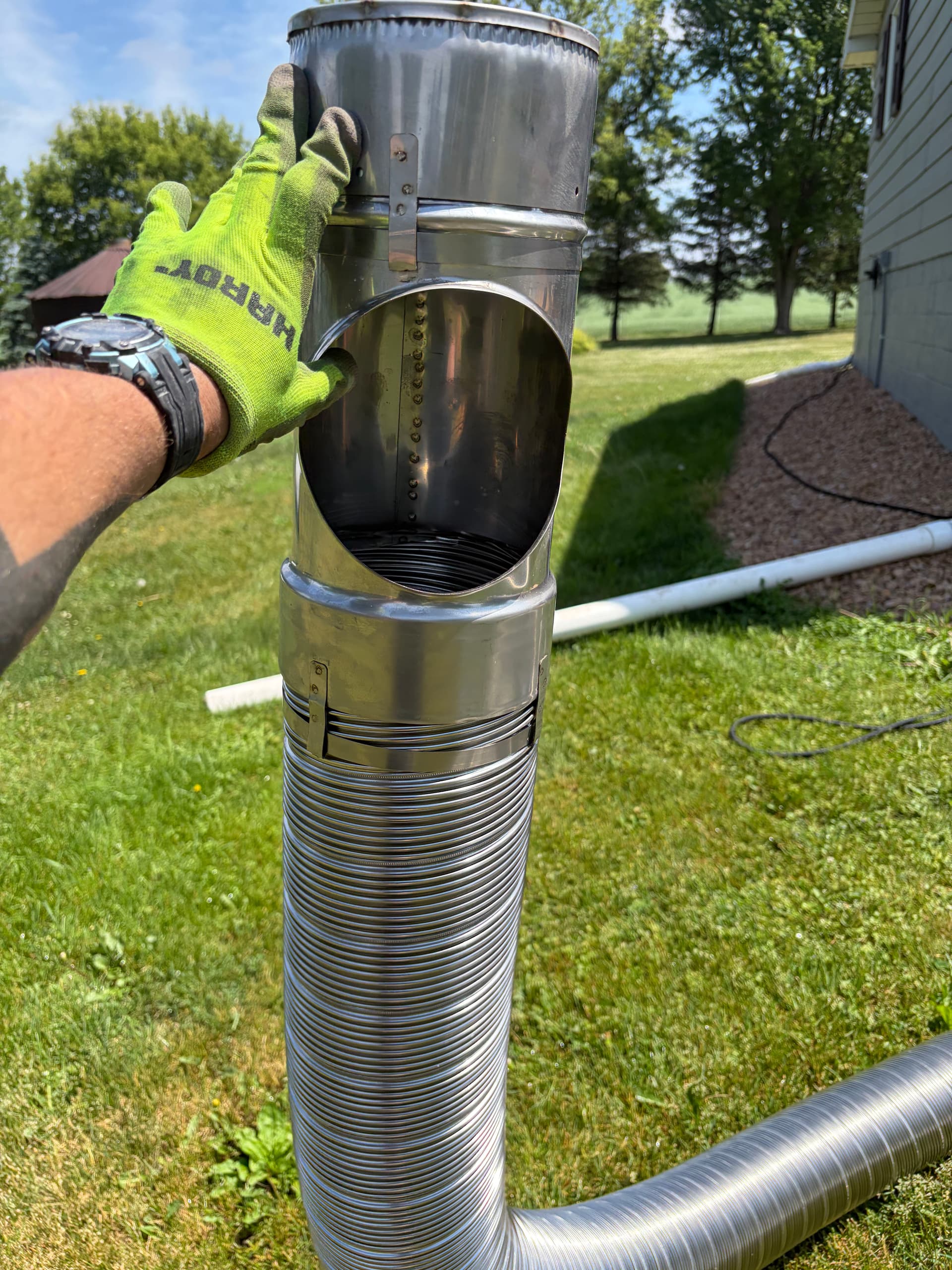
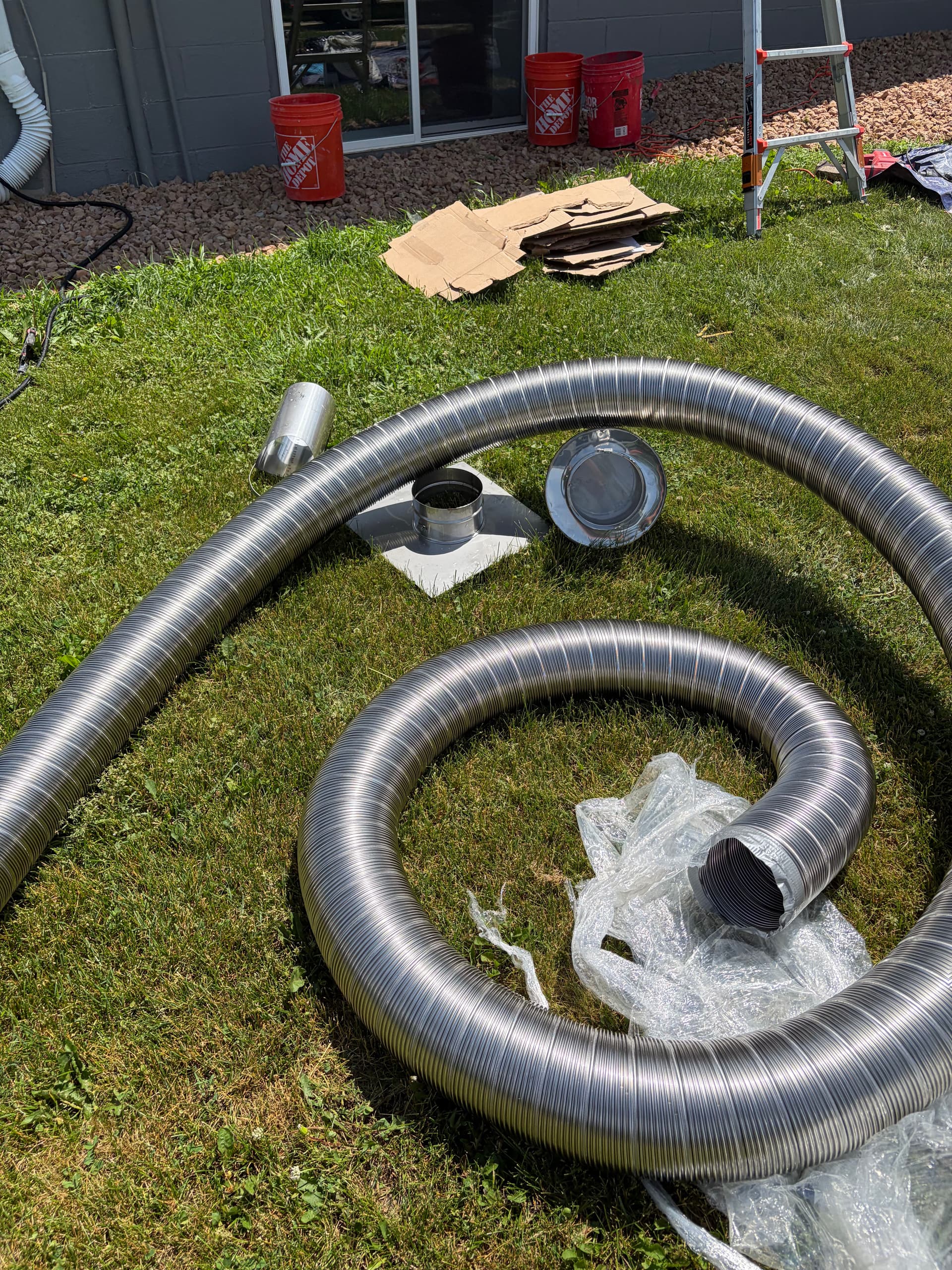
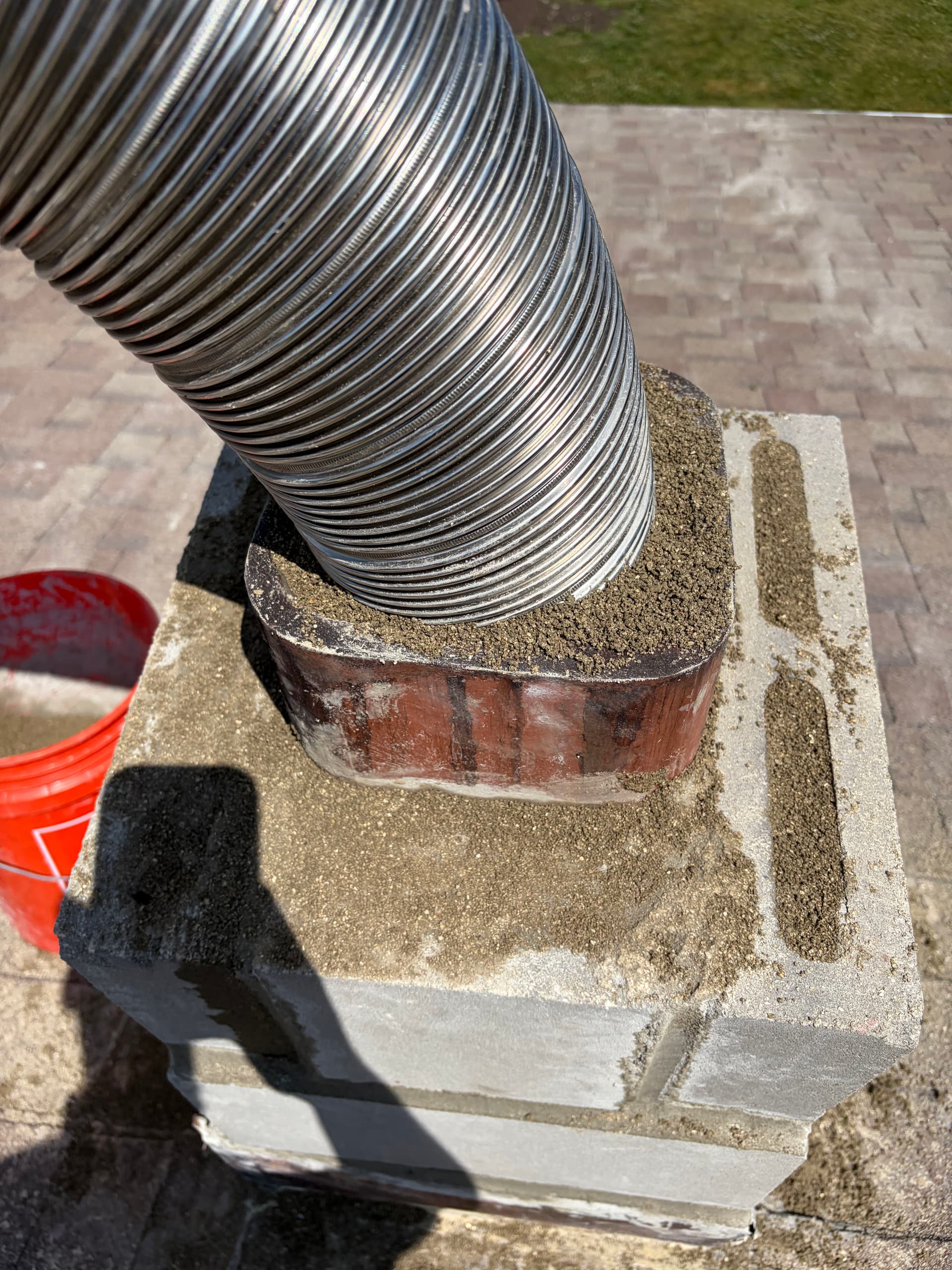
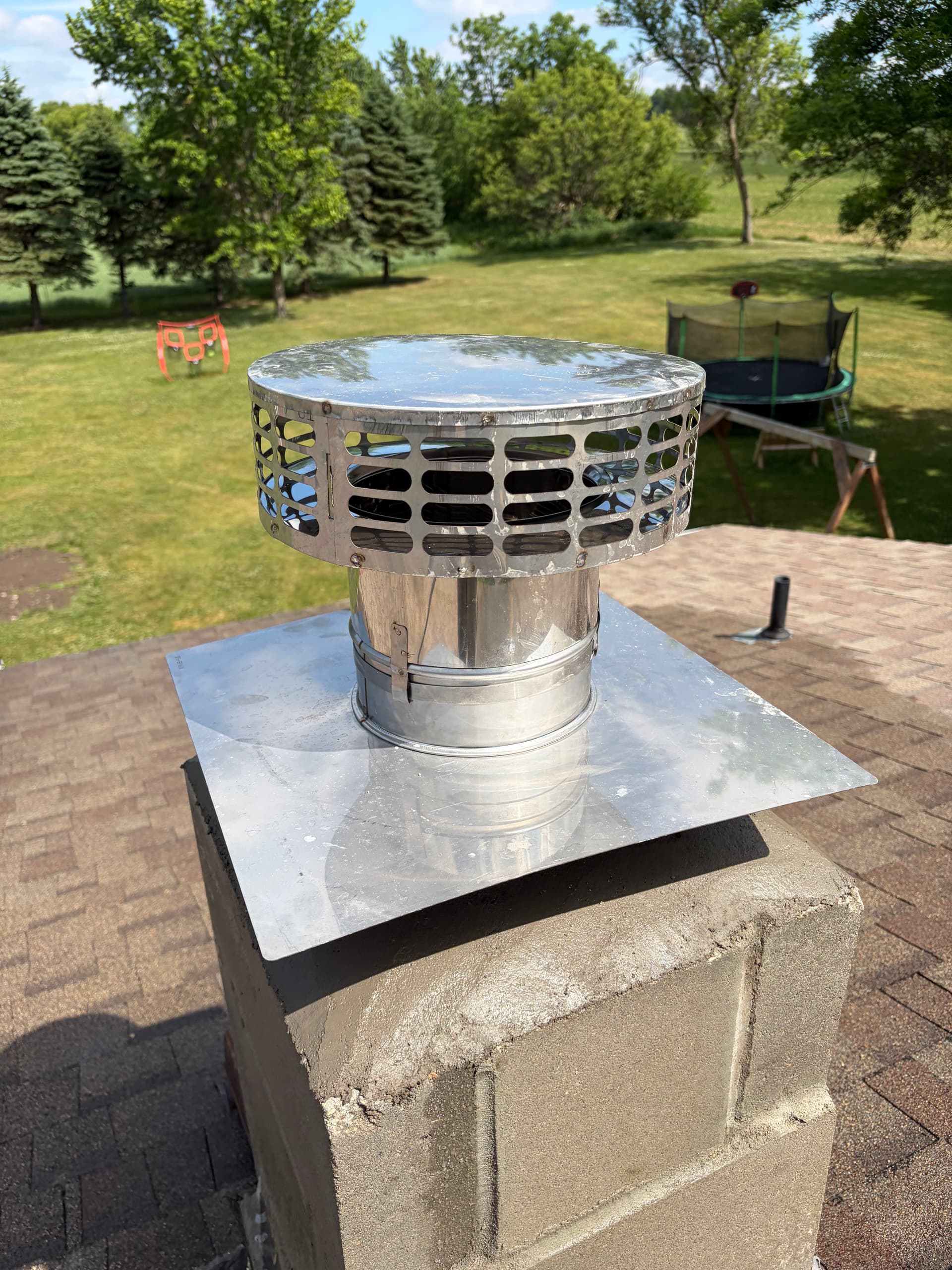
We pulled everything out and started fresh. The new flexible stainless steel liner runs from the stove collar all the way up and out through the chimney crown, fully insulated the whole way. Insulating the liner isn't optional if you want it to perform right - it keeps flue temps higher, improves draft, and slows creosote from forming on the liner walls. Up top, we fitted a new stainless chimney cap with a rain cover and spark arrestor screen. Clean, functional, and built to last.
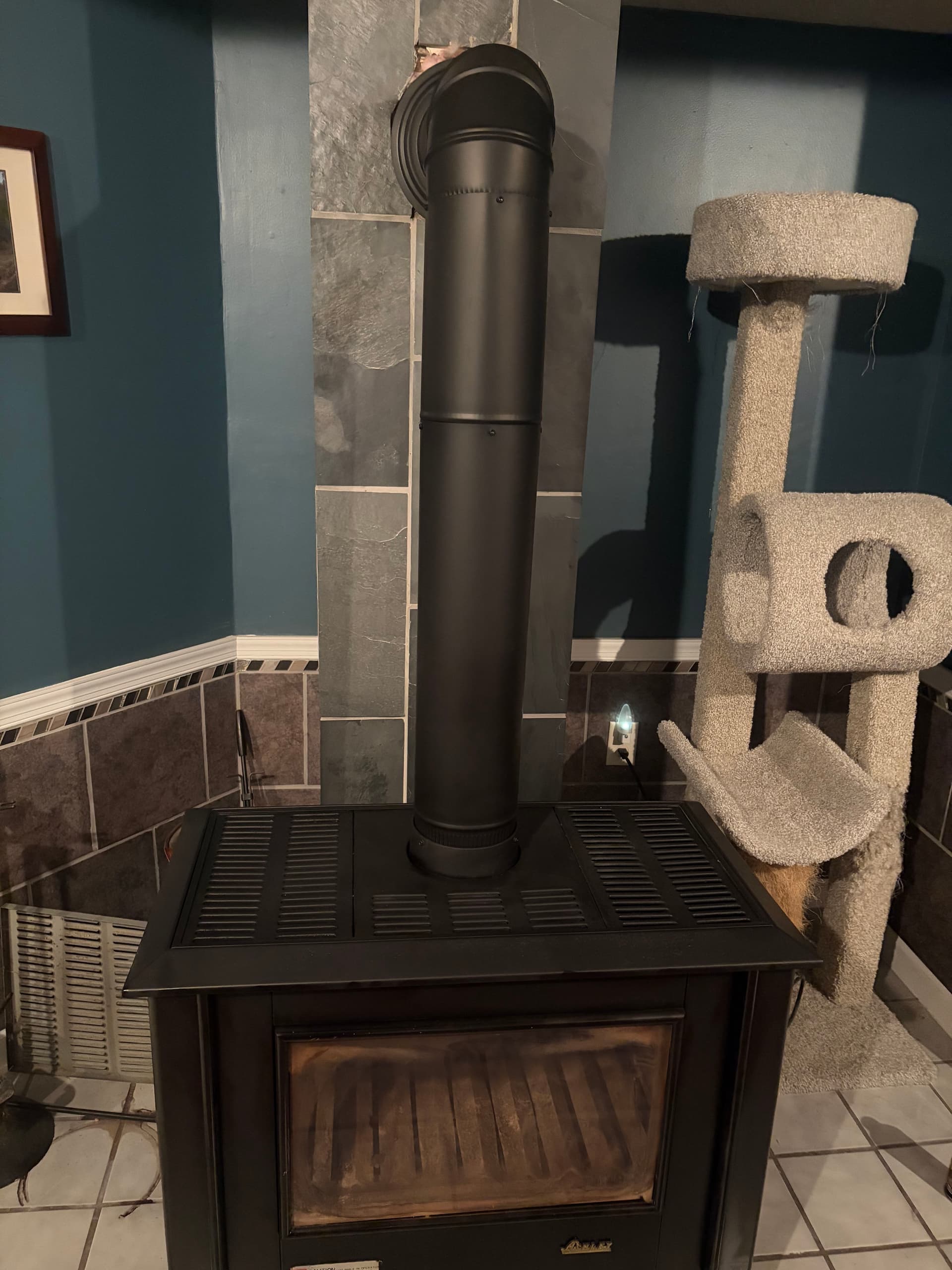
Inside, the stove pipe got swapped out for new, properly fitted sections finished in a matte black high-heat paint. The stove itself was repainted as well - same finish, looks sharp. The difference between before and after is pretty hard to miss. What was a faded, rust-stained setup is now a tight, properly vented system that's safe to run hard all season.
If your wood stove is venting into an old clay liner - especially one that hasn't been inspected or relined - it's worth getting eyes on it. The performance hit alone is reason enough, but the safety side of it is what really matters. A properly insulated liner changes how the whole system breathes.